Introduction
In today’s fast-paced world, the importance of compassion, understanding, and strong relationships cannot be overstated. The role of a Direct Support Professional (DSP) exemplifies this notion. A DSP is not just a caregiver; they are trusted partners in the lives of individuals with disabilities, helping them navigate daily challenges. But what truly sets a DSP apart is their commitment to building trust and nurturing relationships.
This article aims to delve deep into the essence of being a DSP and explore why building trust and relationships is at the core of their work. Buckle up as we unpack the various dimensions of this vital profession.
Understanding the Role of a Direct Support Professional
What is a Direct Support Professional?
A Direct Support Professional (DSP) provides support and assistance to individuals with disabilities, aiding them in leading fulfilling lives. Their work may encompass areas such as personal care, community involvement, skill development, and emotional support. Essentially, they're an invaluable resource for those who need help navigating everyday life.
Key Responsibilities of a DSP
- Personal Care: Assisting with daily living activities such as bathing, dressing, and eating. Skill Development: Teaching life skills that promote independence. Community Engagement: Facilitating participation in community events and activities. Emotional Support: Providing companionship and emotional guidance.
The Importance of Trust in Being a DSP
Trust is more info the bedrock upon which all relationships are built. In the context of being a DSP, trust means that individuals feel secure in sharing their thoughts, feelings, and needs without fear of judgment or misunderstanding. This dynamic allows for more effective communication and collaboration.
Why Being a DSP Is About Building Trust and Relationships
The Foundation of Effective Caregiving
A successful caregiver-client relationship hinges on trust. Without it, communication breaks down, leading to misunderstandings that can negatively impact care outcomes. When clients trust their DSPs, they are more likely to express their needs openly.
Building Trust Through Consistency
Consistency breeds familiarity. When clients see their DSPs regularly fulfill commitments—be it showing up on time or delivering expected support—they begin to build confidence in their capabilities.
Empathy as an Essential Tool
Empathy plays a crucial role in being an effective DSP. Understanding clients’ feelings can bridge gaps that might otherwise lead to mistrust or conflict.
Establishing Meaningful Relationships with Clients
Communication Skills: The Heartbeat of Relationships
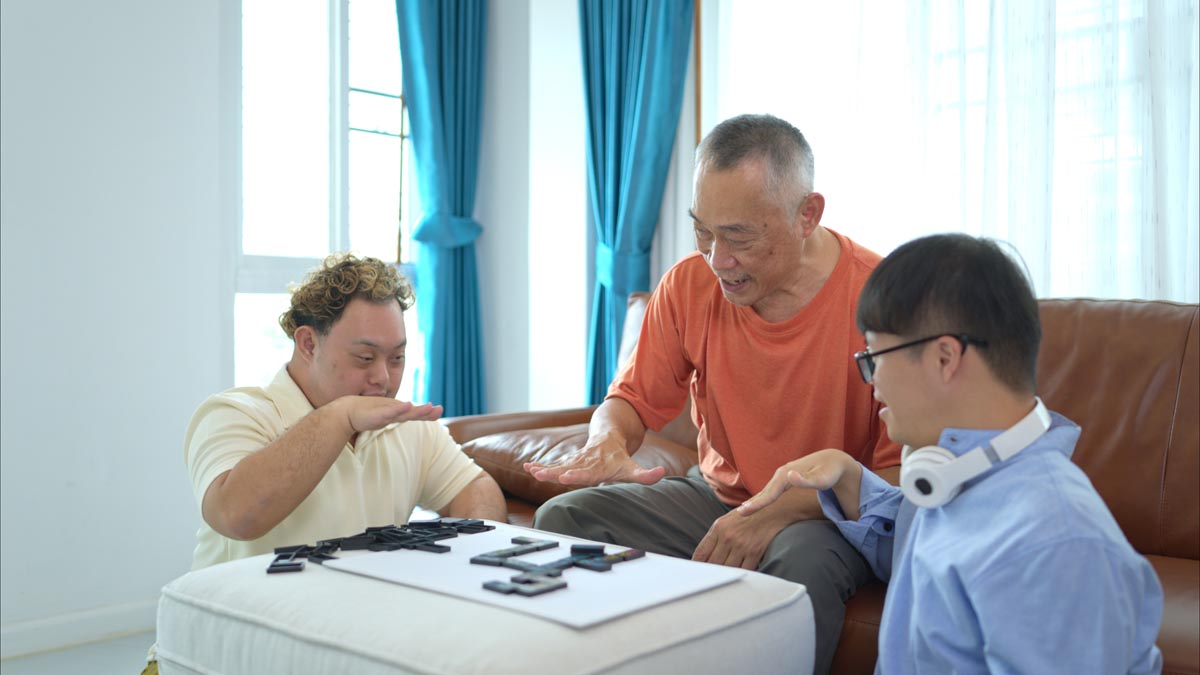
Good communication is paramount in any relationship but especially so for Direct Support Professionals. This involves active listening and clear articulation.
Active Listening Techniques
Utilizing techniques like paraphrasing what clients say can ensure they feel heard.
Maintain eye contact. Nodding to show understanding. Asking clarifying questions when needed.Creating Rapport with Clients
Rapport isn't established overnight; it takes time and effort to cultivate meaningful connections with those you support.
Shared Interests Matter
Discovering mutual interests can create organic opportunities for bonding—whether through hobbies or shared experiences.
The Role of Family in Building Trust as a DSP
Collaborating with Families
Family members often play an integral role in the lives of individuals receiving support from DSPs. Building trust extends beyond just client interactions; it also involves collaborating effectively with families.
Frequent Updates Keep Families Engaged
Regular updates about progress or challenges foster transparency, helping families feel included in their loved ones' care journey.
Navigating Challenges While Maintaining Trust
Handling Difficult Situations Gracefully
Difficult situations are inevitable when working as a Direct Support Professional. However, how these are handled can significantly impact trust levels.
Staying Calm Under Pressure
When challenges arise—be it behavioral issues or health crises—staying calm can help maintain an atmosphere of safety for everyone involved.
Understanding Individual Needs Deeply
Person-Centered Approach to Caregiving
The philosophy behind person-centered care prioritizes individual preferences over generalized approaches.
Tailoring Care Plans Accordingly
By involving clients in crafting their care plans based on personal preferences, trust naturally develops because they feel valued and respected.
Fostering Independence Through Relationship-Building Strategies
Encouraging Self-Advocacy Among Clients
An essential part of being a Direct Support Professional is empowering clients by encouraging self-advocacy. This process fosters independence while simultaneously strengthening your relationship with them.
Tools for Self-Advocacy
Teach clients how to express their needs clearly. Help them understand their rights. Encourage decision-making skills by offering choices whenever possible.Cultural Competence: A Crucial Component in Building Trust
Recognizing Diverse Backgrounds
As society becomes increasingly diverse, understanding cultural nuances becomes vital for any Direct Support Professional striving to build trusting relationships with clients from varying backgrounds.
Strategies for Developing Cultural Competence
Attend workshops on cultural sensitivity. Engage in open conversations about diversity with clients. Seek feedback on how well you're meeting each client’s unique needs.Training & Development: Enhancing Skills for Better Relationships
Continuous Learning Opportunities
Investing time into professional development not only enhances your skill set but also demonstrates your commitment to providing high-quality care — something that builds immense trust over time.
Types of Training
Communication Workshops Conflict Resolution Courses Specialized Disability TrainingFeedback Mechanisms: Vital for Relationship Growth
Creating Open Channels for Communication
Feedback should be welcomed at all levels - from clients themselves as well as family members - allowing continuous improvement while reinforcing bonds between everyone involved.
Ways to Solicit Feedback
Regular check-ins after significant events. 2 . Anonymous surveys regarding satisfaction levels. 3 . Open discussions during family meetings.The Power of Non-Verbal Communication
Understanding Body Language's Impact on Trust
Non-verbal cues often speak louder than words! Recognizing this can significantly change your approach towards building lasting relationships.
Common Non-Verbal Cues
1 . Eye contact indicates engagement. 2 . Smiling promotes warmth. 3 . Open body posture signifies receptiveness.
Making Technology Work For You
Using Apps To Enhance Communication
In our digital age where technology reigns supreme - leveraging apps designed specifically around healthcare management can streamline communications while fostering deeper connections!
Recommended Tools
1 . Caregiver Log Apps 2 . Secure Messaging Platforms 3 . Task Management Software
Success Stories: Real-Life Examples Of Building Trust
Testimonials From Clients And Families
Hearing from those who've experienced positive transformations firsthand offers valuable insights into why being a DSP hinges greatly upon establishing rapport!
“My DSP always listens patiently; I feel comfortable talking about anything.”
Why Being A DSP Is About Building Trust And Relationships
Ultimately - thriving within this profession requires embracing vulnerability both personally & professionally—the willingness to engage authentically speaks volumes greater than any textbook ever could!
FAQs
What qualities make someone an effective Direct Support Professional?
Effective Direct Support Professionals possess qualities like empathy, patience, strong communication skills, adaptability & dedication towards empowering others.
How long does training typically take before someone becomes certified as a DSP?
Training duration varies by state regulations but generally ranges between several weeks up until several months depending on curriculum requirements & certifications pursued!
Can someone become successful even if they don’t have prior experience working with disabilities?
Absolutely! Many successful professionals come from different backgrounds—we emphasize passion over prior experience since genuine interest leads naturally towards excellence!
What kind of support do families receive when working alongside Direct Support Professionals?
Families are often provided updates regarding progress made during sessions while also receiving guidance/training tailored toward supporting loved ones effectively at home too!
Is there room for advancement within this field?
Yes! With additional training/certifications available—many find opportunities arise into supervisory roles or specialized positions depending upon interests showcased throughout career journeys!
Conclusion
To wrap things up nicely—it’s evident that why being a DSP is about Direct Support Professional in Forest Grove building trust and relationships goes far beyond routine tasks associated simply providing assistance—it encompasses creating meaningful connections rooted firmly within empathy & respect! This profession offers not only growth potential professionally but personally too—transforming lives one relationship at time deserves recognition amongst all stakeholders involved! So let’s celebrate those dedicated souls who embody these ideals every single day!